
Local Market Context
Built Around How Chicago Businesses Grow
Chicago’s economy mixes Fortune-scale enterprise, manufacturing and logistics, financial services, healthcare systems, consumer brands and a serious B2B services market. Digital programmes are often judged by operators who care more about clarity and reliability than trend-chasing design.
Agency choice spans large networks and freelancers; mid-market organisations frequently want senior product thinking without a twelve-week pitch process or a downtown office claim that does not improve delivery.
Websites that succeed here support multi-brand or multi-location content, CRM-connected lead capture, and performance that holds when paid and organic traffic spike together.
Chicago business priorities
- 01B2B and industrial services platforms
- 02Financial and professional services credibility
- 03Healthcare system digital front doors
- 04Consumer brand and ecommerce experiences
Capabilities
Everything Your Website Needs, In-House.
Strategy, design and engineering for Chicago teams — delivered as one accountable pod.
Website Redesign
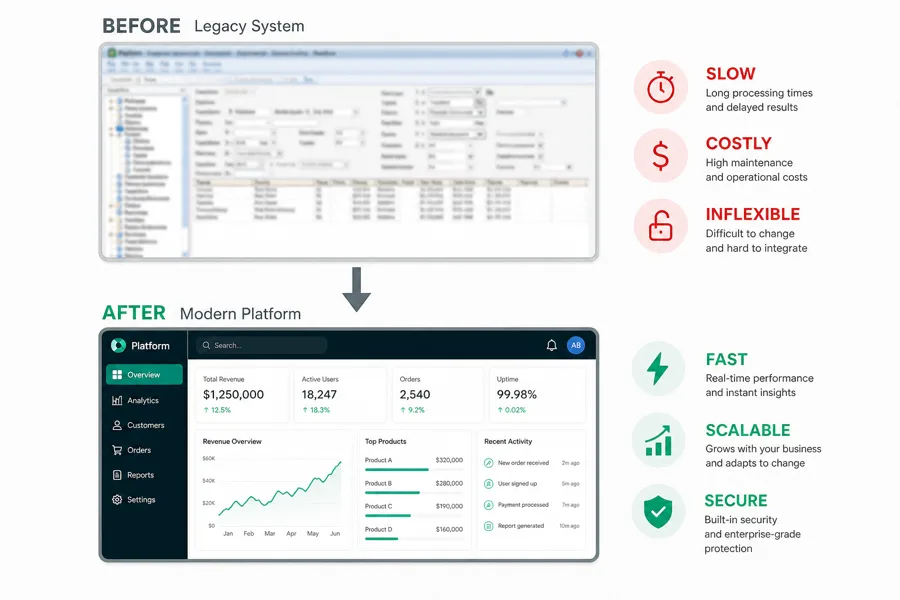
Rebuilds that keep what converts, cut what confuses, and ship without a risky big-bang cutover.
- Analytics-led audit
- Migration plan
- SEO continuity
Custom Web Platforms
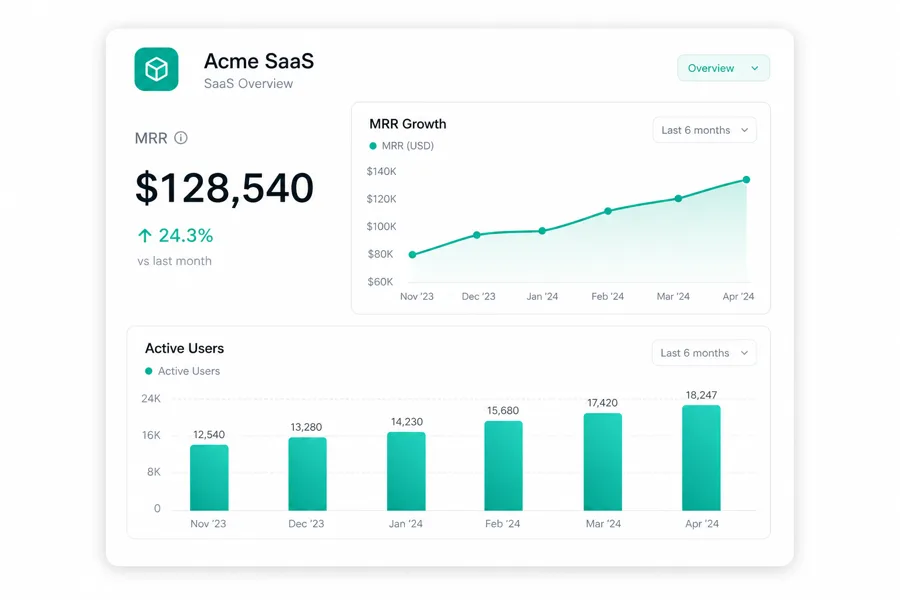
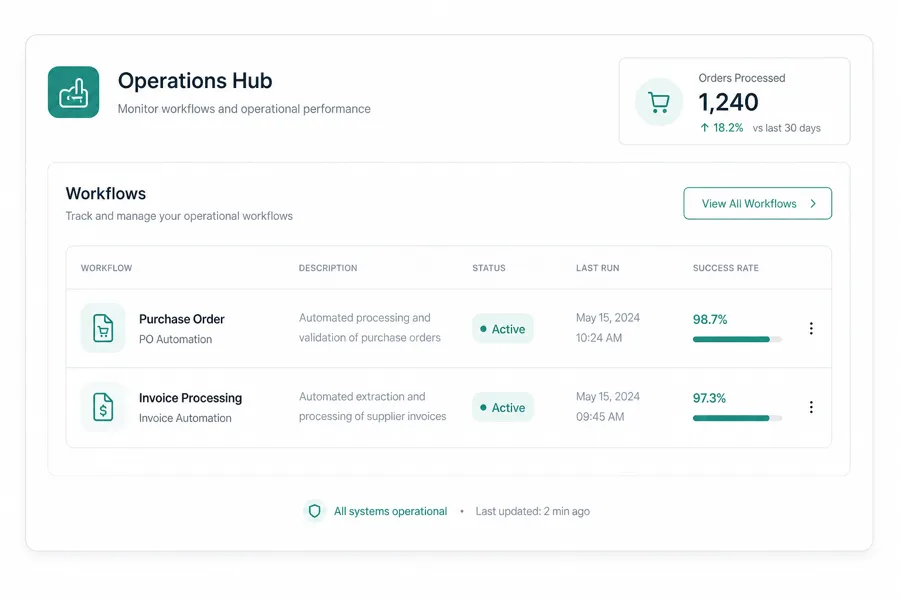
Portals, dashboards and workflow products where off-the-shelf tools leave gaps in your operations.
- Role-based access
- API integrations
- Observability from day one
Selected Work
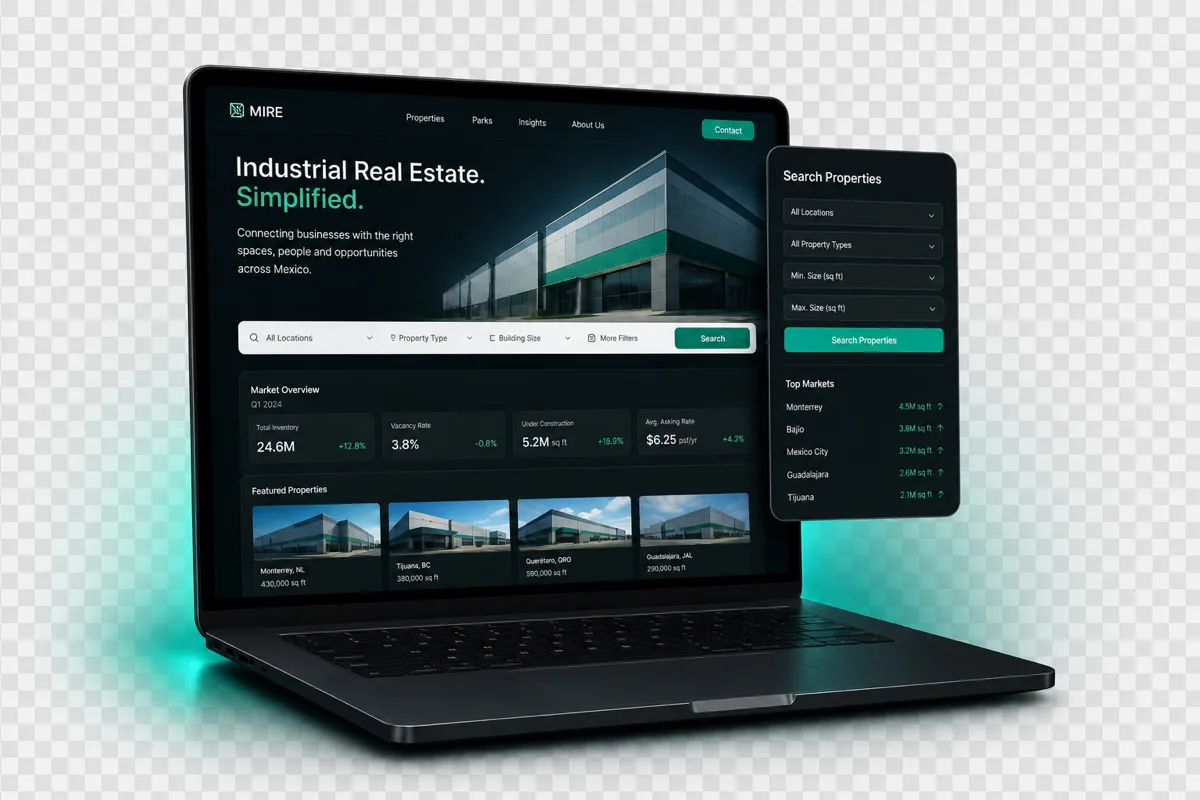
Relevant Work. Measurable Outcomes.
Featured for platform relevance — not as a local office claim.
Process
A Clear Path From Brief to Launch.
Jythu collaborates remotely with Chicago teams. We do not claim a Loop office we do not operate — we claim senior delivery, CT-hours communication and clean handover.
01
Discover
Goals, users, constraints and success metrics — written down before design starts.
02
Define
Scope, information architecture, stack choices and a phased delivery plan you can budget against.
03
Design
Flows and UI in Figma, approved against real content and edge cases — not moodboards alone.
04
Develop
TypeScript-first engineering with staging previews every sprint so stakeholders can click progress.
05
Validate
QA, accessibility checks, performance budgets and content readiness before launch windows.
06
Launch
Cutover checklist, monitoring, handover docs and optional retainer capacity for iteration.
Why Jythu
The Agency Built Differently.
Senior-led delivery with clear communication — built for long-term performance, not launch-day theatre.
Senior-Led Delivery
Experienced engineers and designers on the work — not junior benches with occasional senior reviews.
In-House Execution
Strategy, design and engineering stay under one roof so handoffs do not dilute quality.
Clear Communication
Written scopes, staging URLs and decision logs — not slide theatre and vague status updates.
Built for Long-Term Performance
Architecture and Core Web Vitals treated as product requirements from the first sprint.
Full Ownership
You receive the repositories, accounts and documentation — no hostage platforms.
Secure by Design
Auth, secrets, dependency hygiene and least-privilege defaults built into delivery.
Scalable Architecture
Systems structured for the next release, not just the launch demo.
Post-Launch Support
Warranty on fixed projects and retainers when you want ongoing roadmap capacity.
Technology
The Right Technology for the Right Outcome.
Technology is selected around your product, audience and future requirements — not forced onto it.
Web & Frontend
Backend & Cloud
CMS & Commerce
Engagement
Choose How We Build Together.
Three clear models — plus a lightweight discovery option when the brief is still forming.
01 · PROJECT
Fixed-Scope Project
Ideal for well-defined websites with clear requirements.
- Fixed scope, timeline & price
- Dedicated project team
- Milestone-based delivery
- Quality assurance included
02 · TEAM
Dedicated Product Team
Ideal for evolving products that need consistent capacity.
- Full-time dedicated experts
- Flexible engagement
- Aligned with your roadmap
- Transparent reporting
03 · PARTNERSHIP
Ongoing Development Partner
Ideal for continuous improvement after launch.
- Continuous development
- Scalable capacity
- Proactive improvements
- Long-term value delivery
Not sure which model fits?
Start with a focused Product Discovery sprint to clarify problem, solution shape and roadmap before a larger build.
FAQ
Questions Before We Build? Answered.
Straight answers for Chicago teams on timelines, ownership, remote collaboration and post-launch support.
Discuss Your Project